
Conservation and the Future
Protecting a fragile legacy. The survival of the Maspalomas Dunes depends on science, management and collective respect.

"OBSERVE HOW THE DUNES CHANGE OVER TIME. YOU CAN PREVENT THIS FROM HAPPENING"
What's going on?
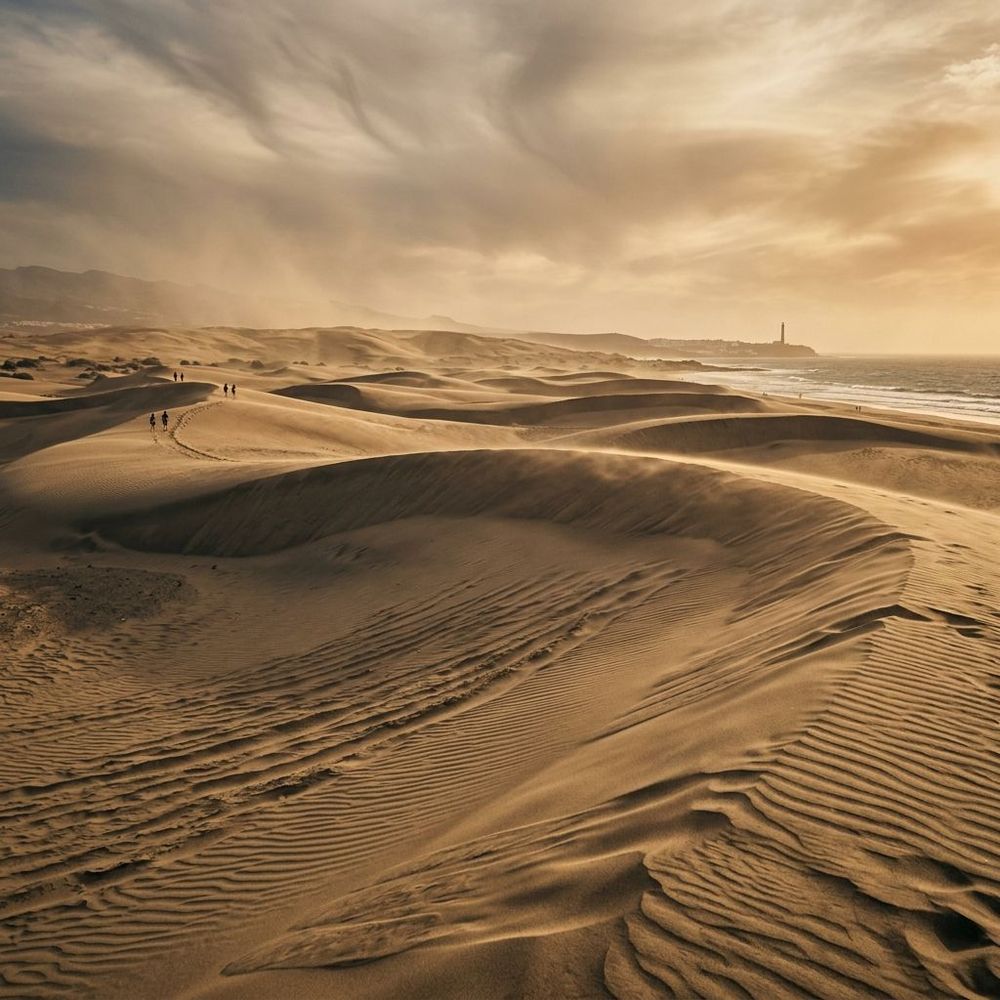
Sedimentary Erosion
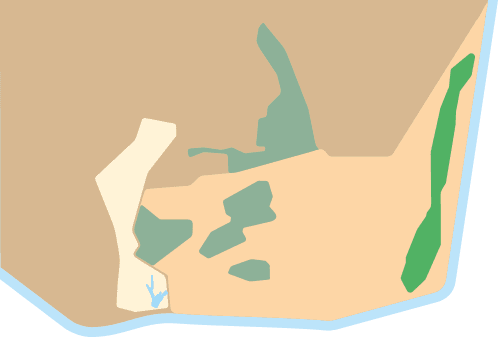
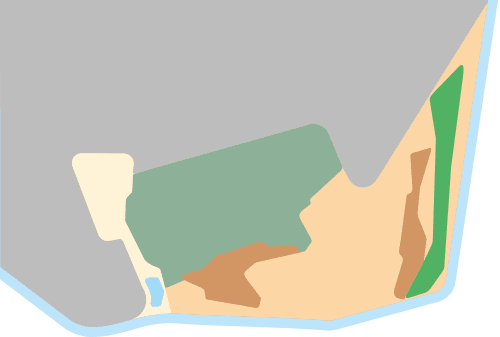
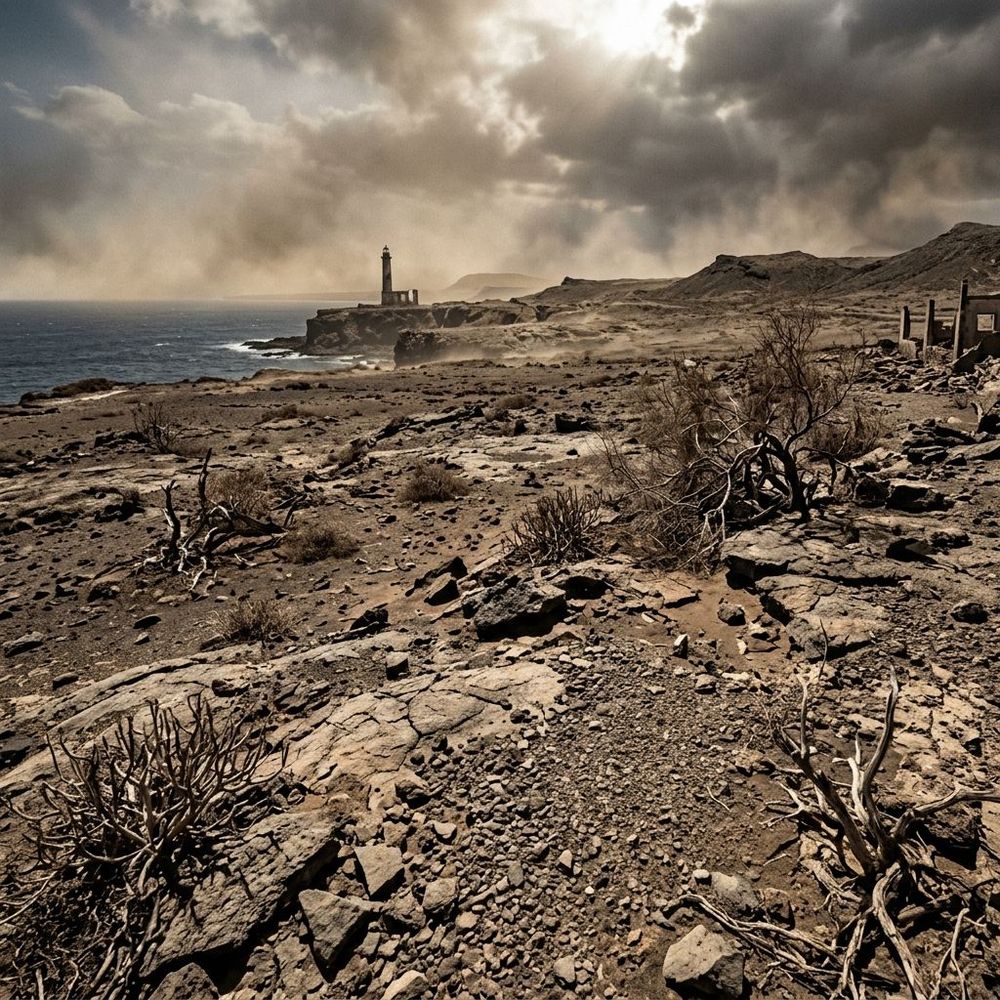
Urban development has altered wind patterns, causing an annual loss of 45,000 m³ of sand to the ‘sedimentary grave’ in the Punta de la Bajeta trough. This increases the areas of deflation (exposure of the rocky substrate). Without intervention, the system could be completely depleted.
Loss of Balconies
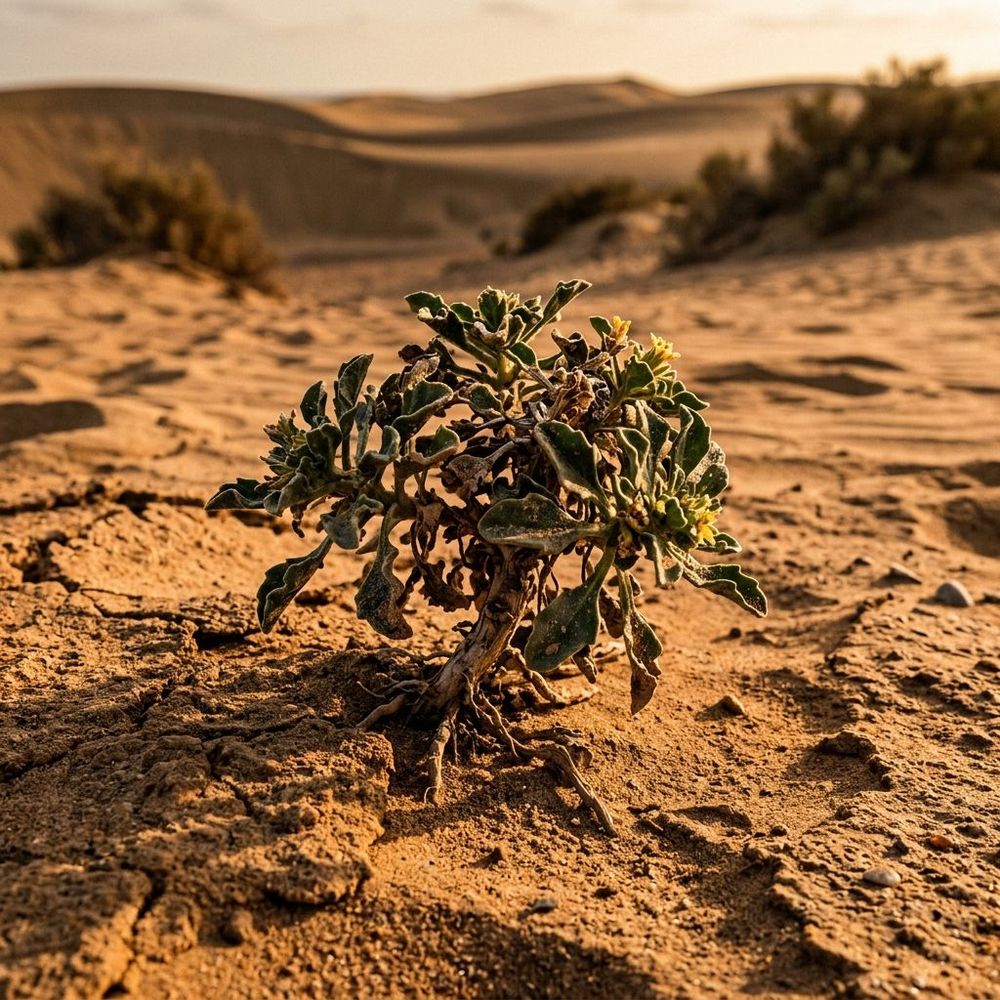
The decline in the population of Traganum moquinii is contributing to erosion. Between 1961 and 2024, the natural population fell by 32.37%, undermining its critical role as a “dune architect” and dune-builder.
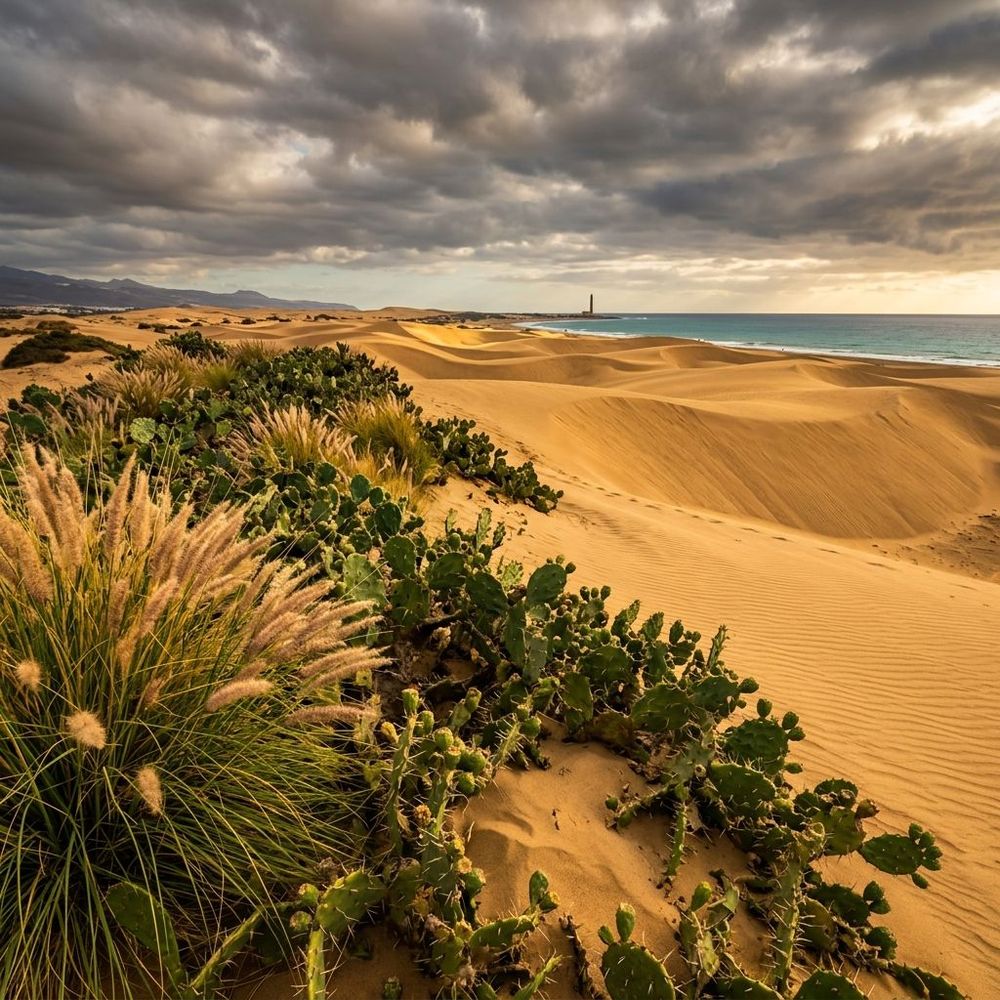
Loss of biodiversity
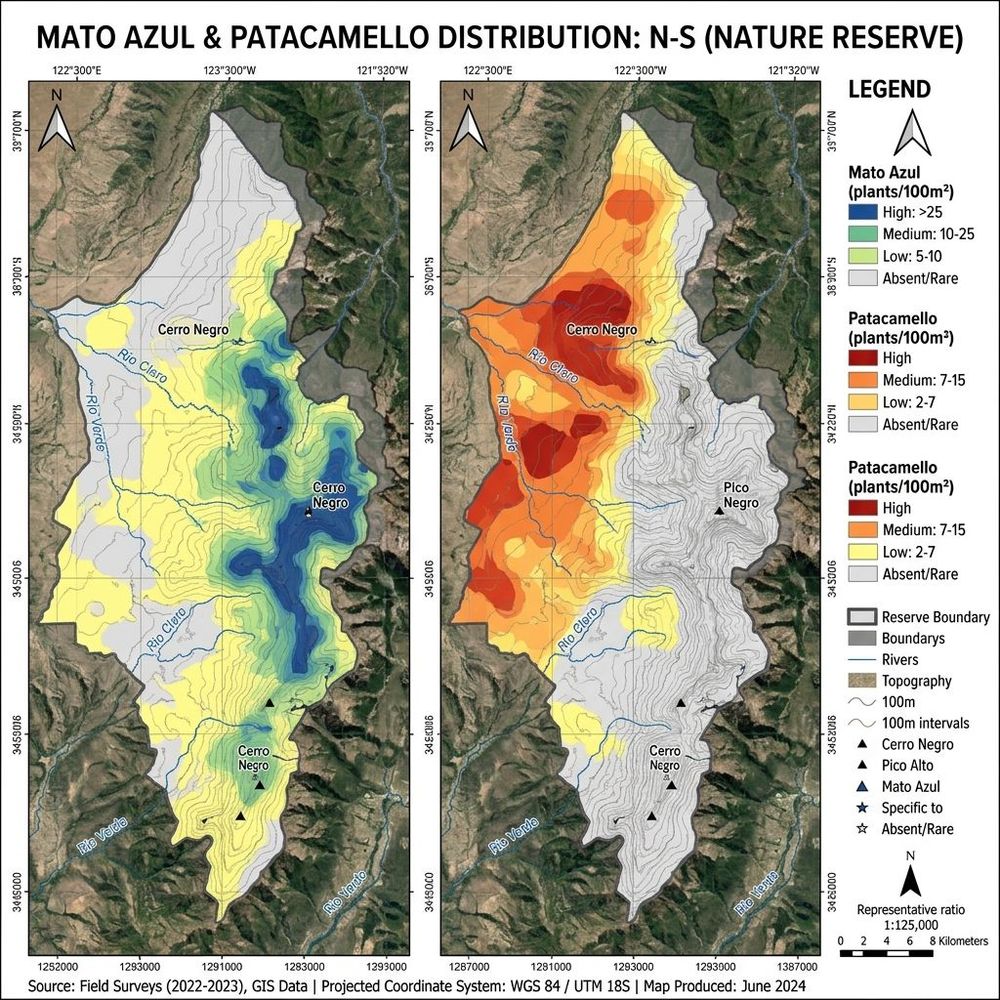
Invasive alien species such as the blue bush and the patacamello are displacing native flora and fauna, disrupting the functioning of the ecosystem and damaging the island’s natural heritage.
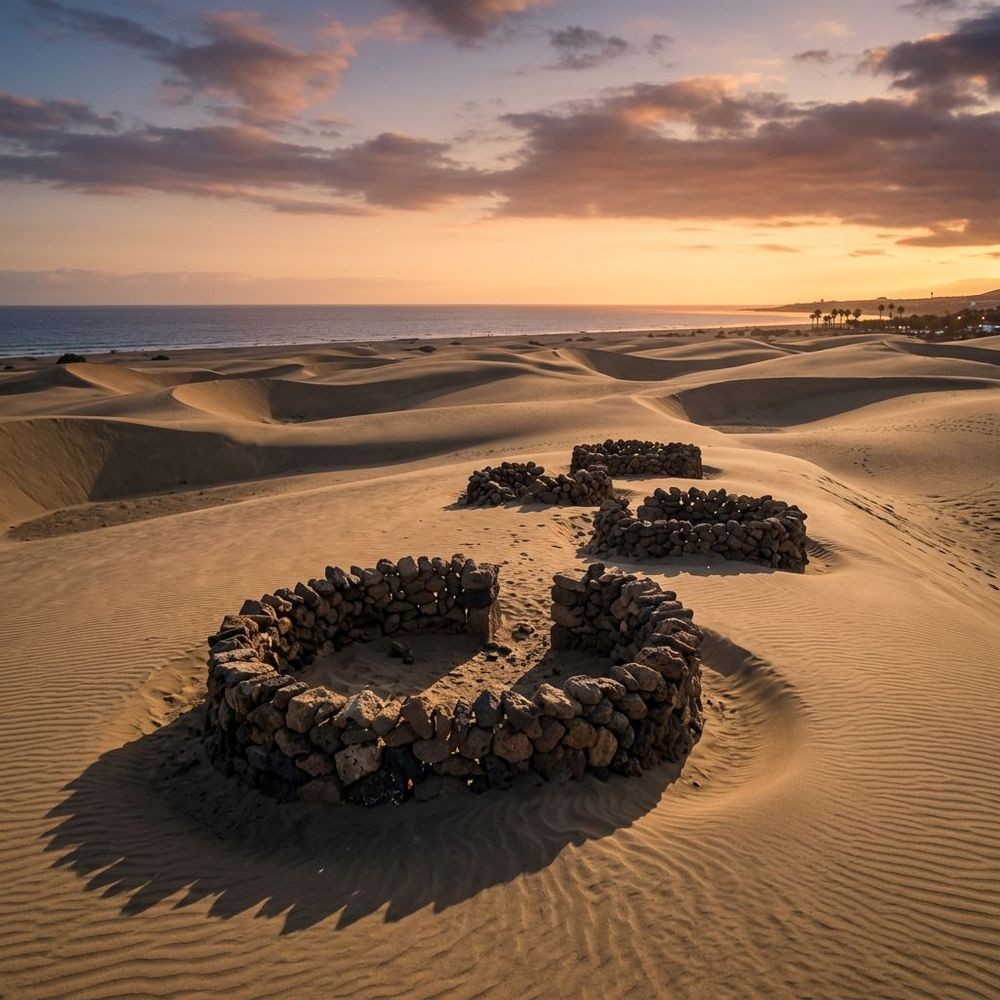
Impact of Public Use
The construction of shelters (‘goros’), the creation of unauthorised footpaths and the littering of rubbish damage the landscape and have a direct negative impact on the flora and fauna of the protected area.
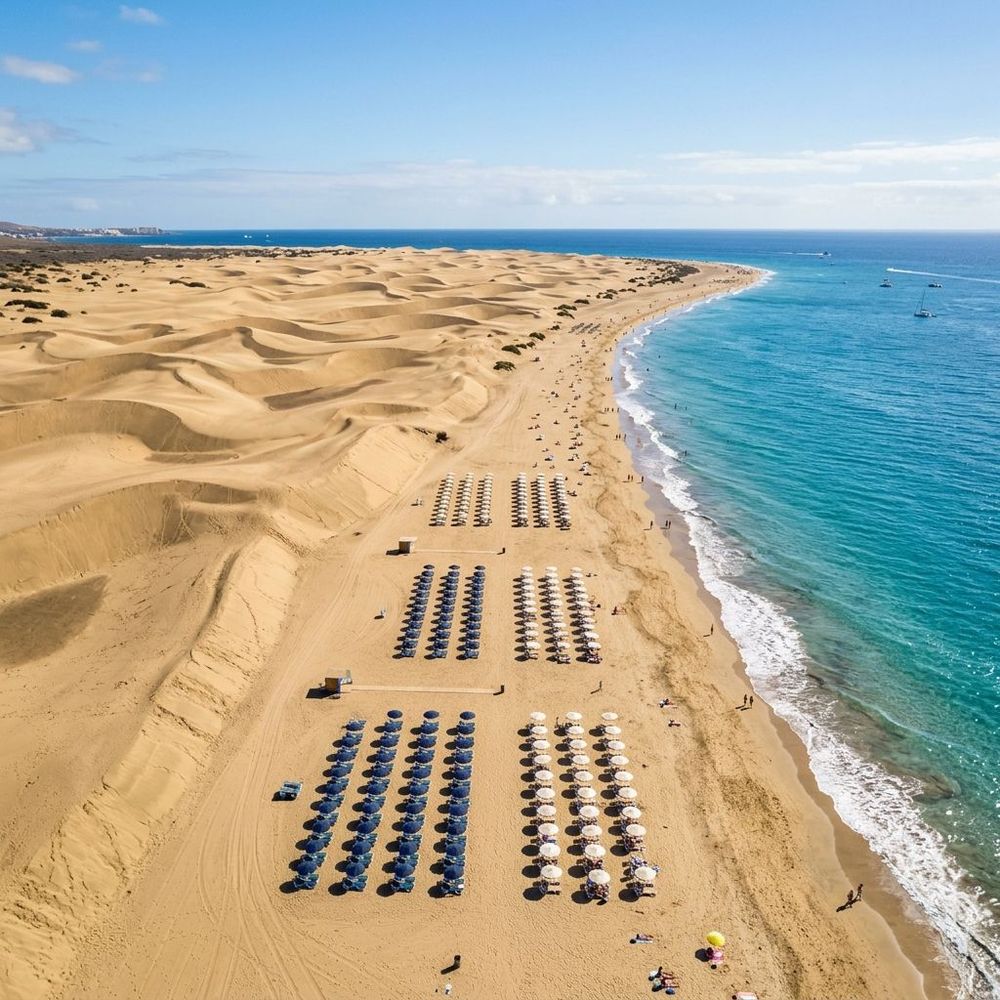
Climate Crisis
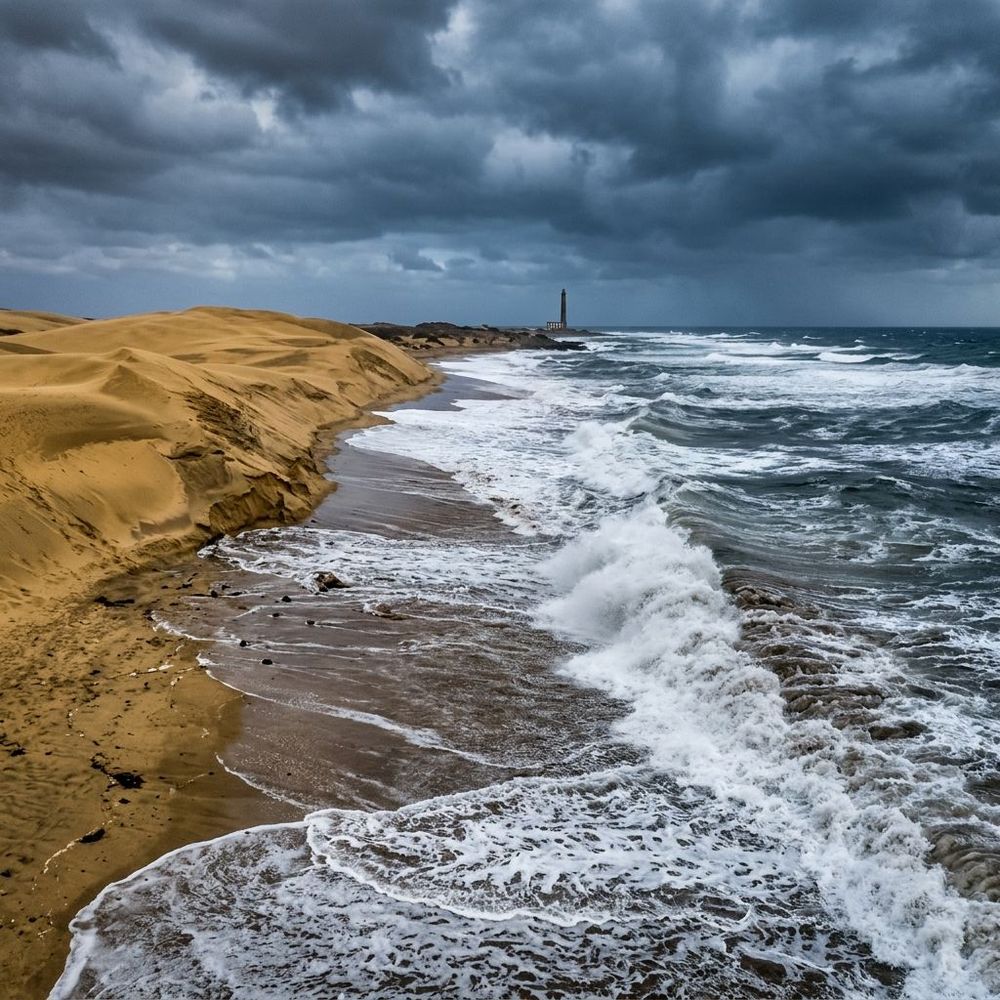
Rising sea levels and severe storms threaten to flood much of the shifting dune landscape. Improving the site’s conservation status is vital to enhancing the system’s resilience to these disasters.
Masdunas Project
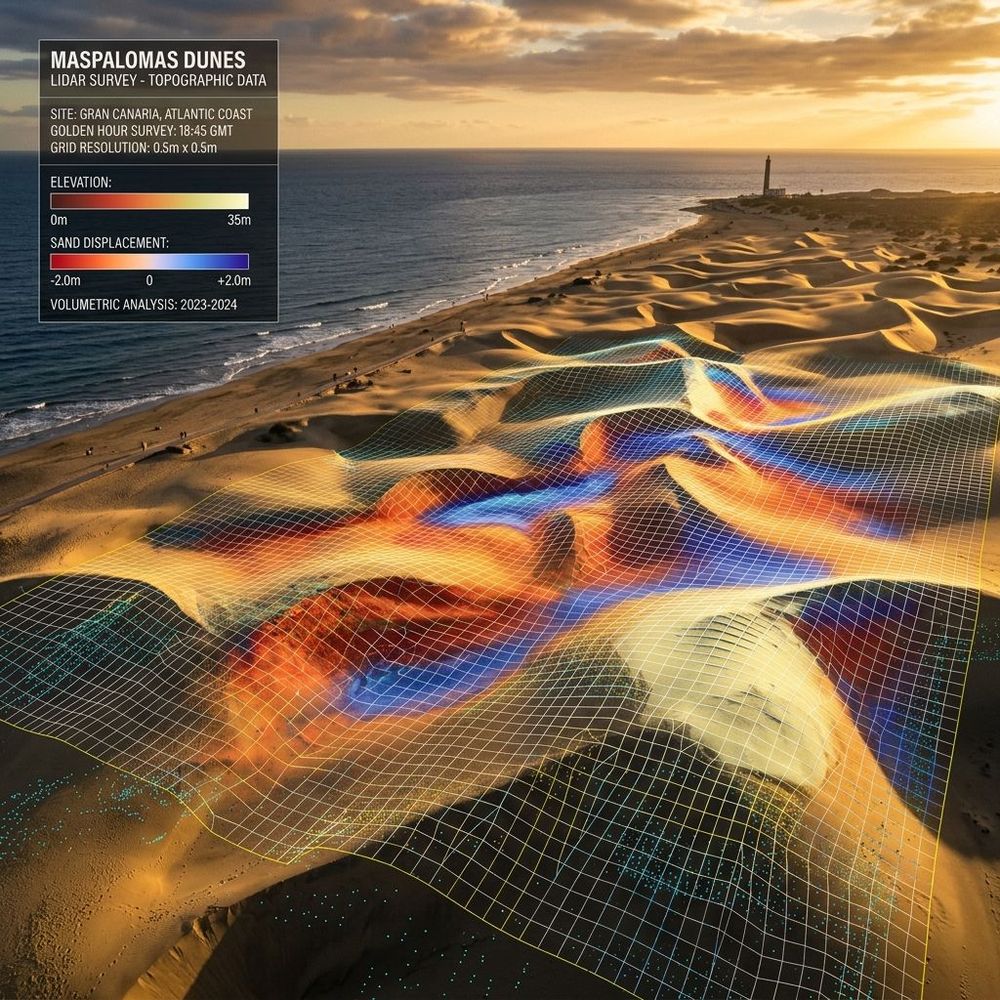
Sedimentary Dynamics
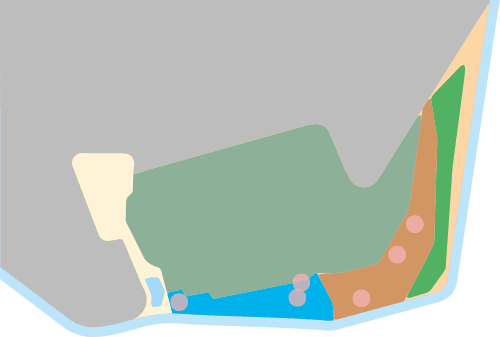
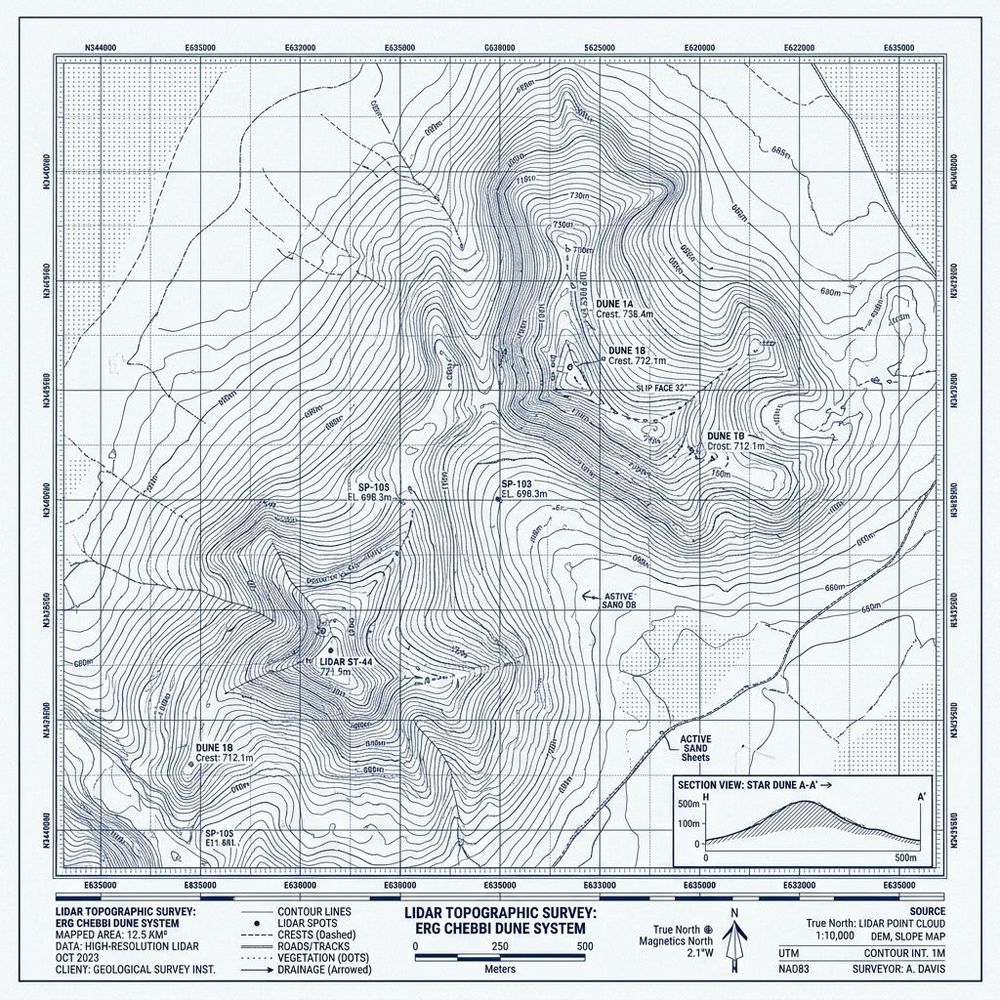
Monitoring using LIDAR flights and topographic surveys. An increase in the area of deflation has been detected as the sand captured by the coastal dune is being retained.
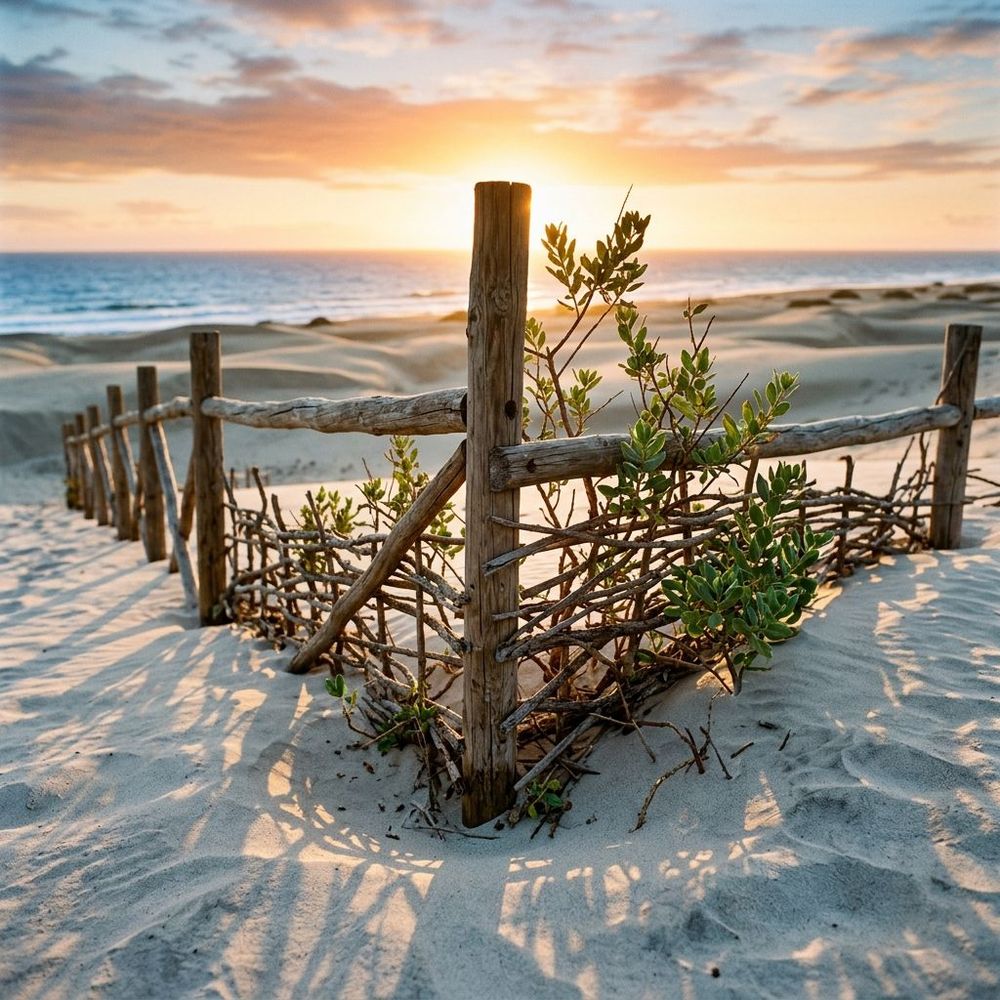
Improvements to the Foredune
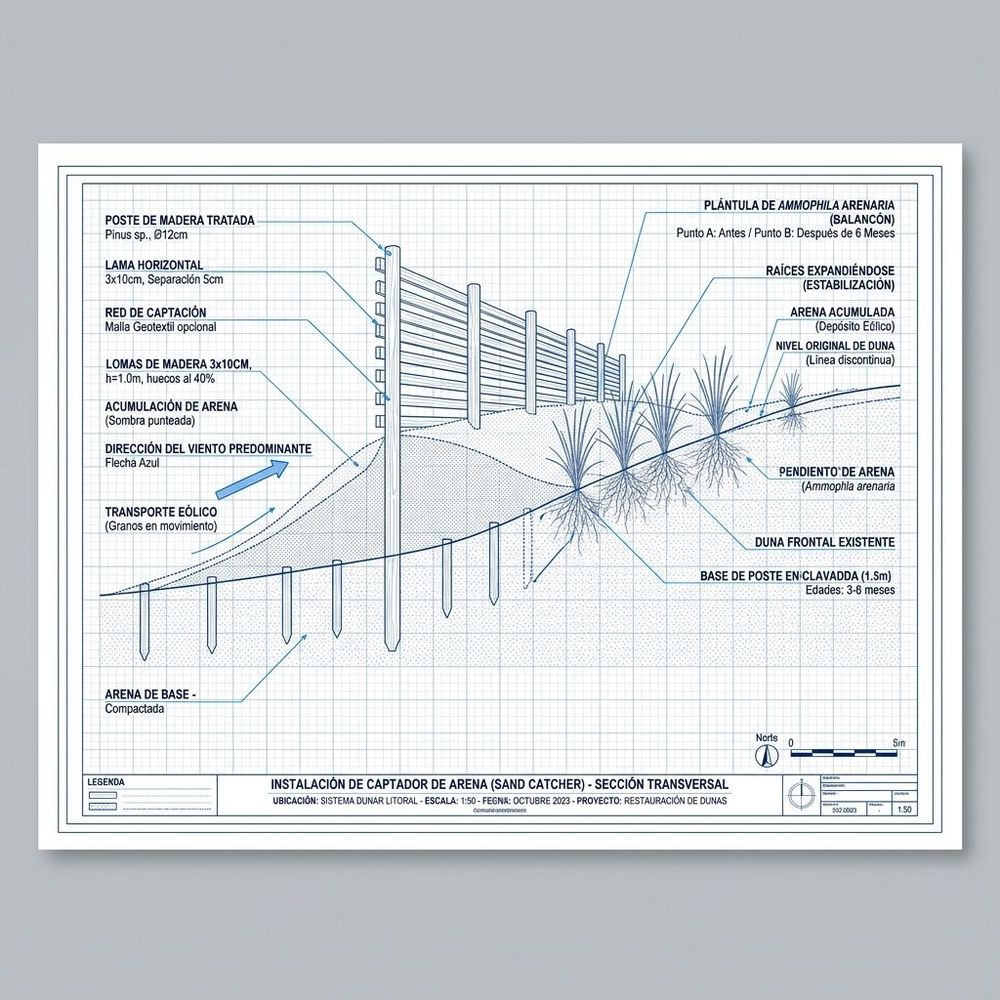
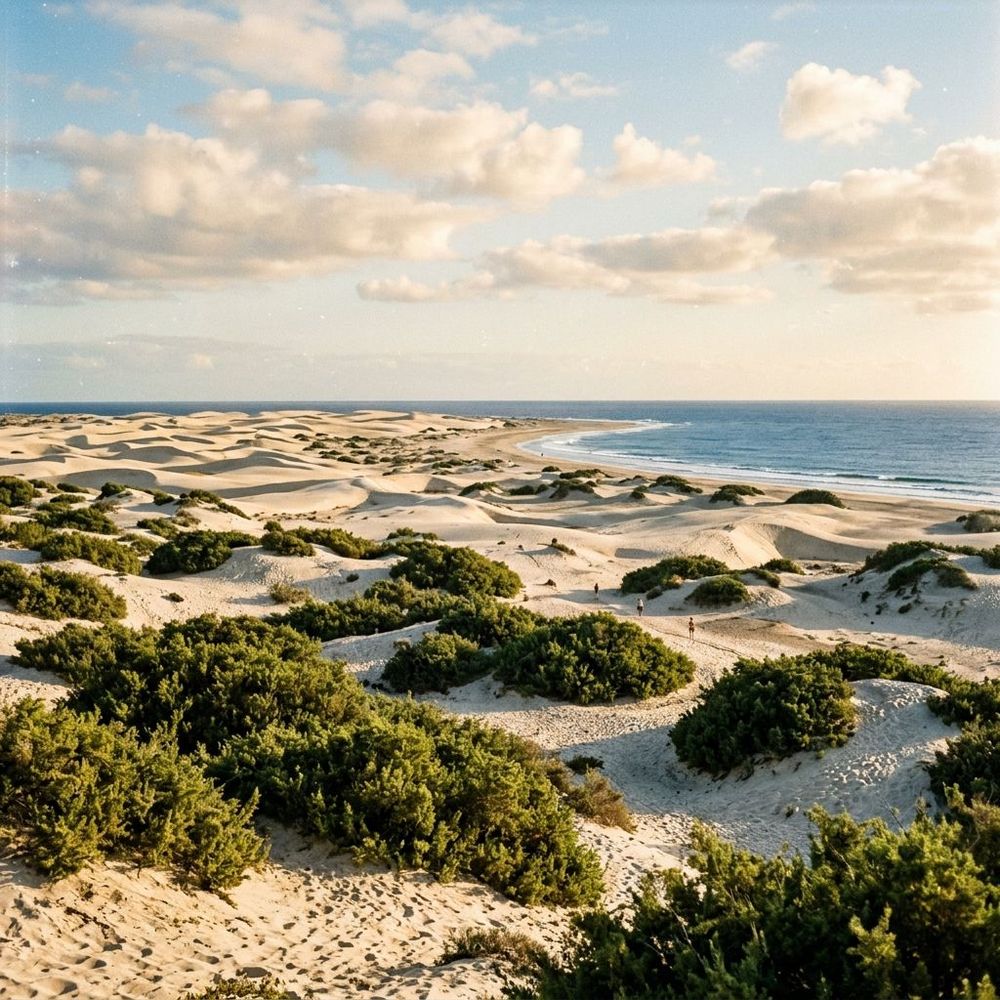
Installation of collectors and planting of 1,061 sand dunes, protected by opaque screens until they have become established, forming new mound-like dunes (nebkhas).
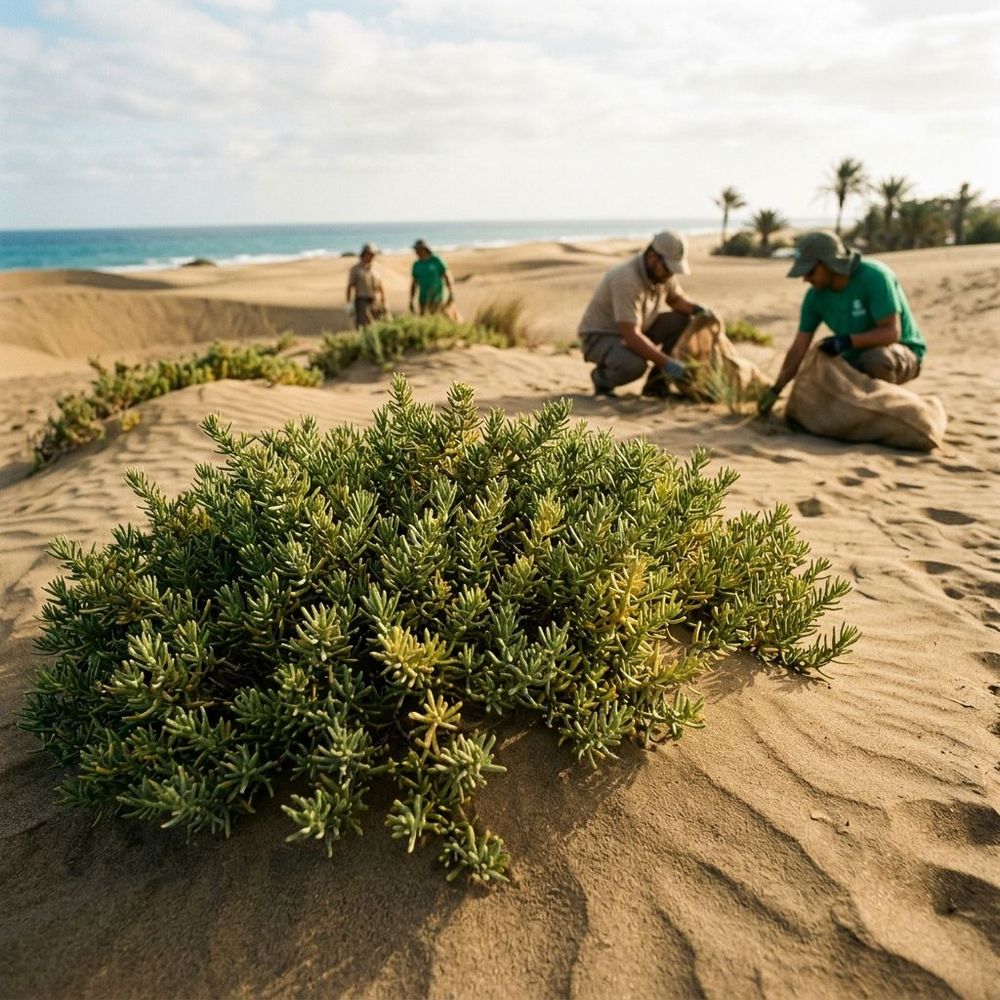
Weed Control
Comprehensive control of invasive plant species (bluebush and patacamello) and animal species (tilapia) to prevent native species from becoming invasive.
Stress Relief
Removal of more than 150 “goros” (stone shelters) and strategic relocation of 40,000 m³ of sand to restore the wind-driven sediment balance and improve the system’s aerodynamics.
Science and Surveillance
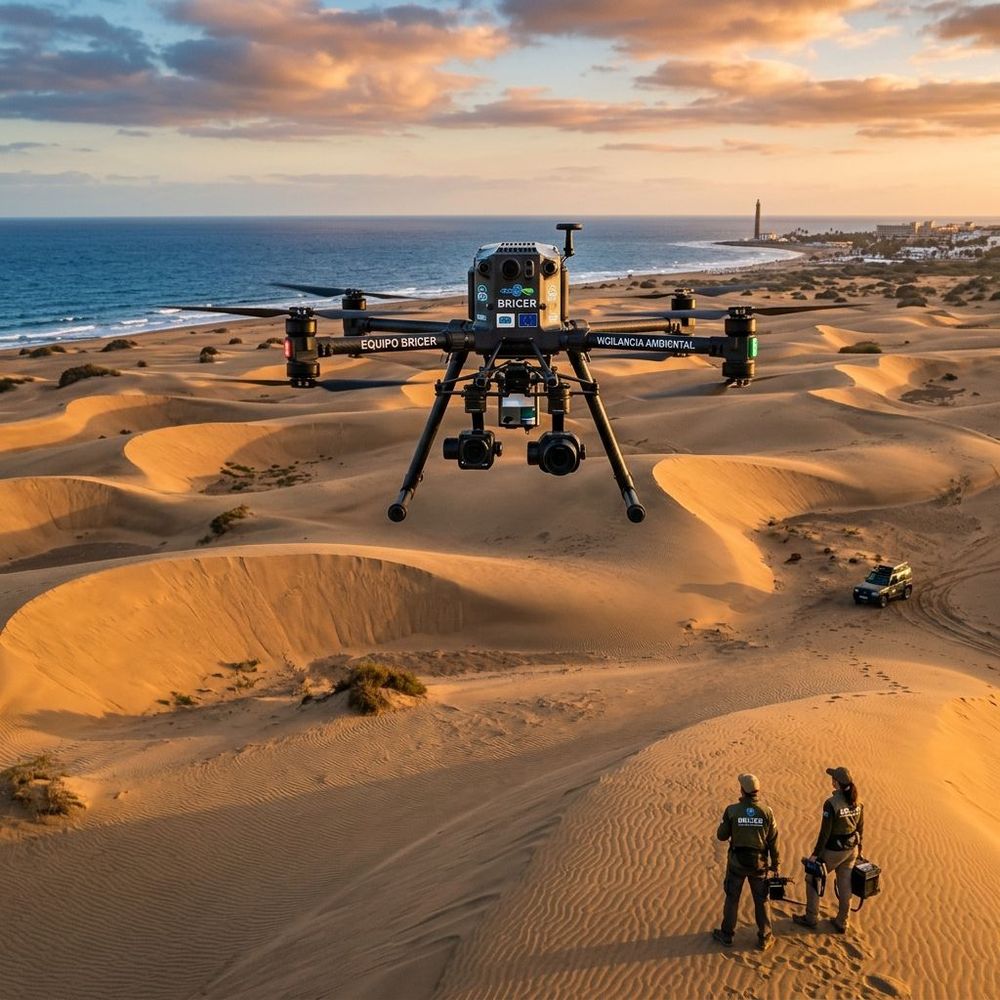
Continuous environmental monitoring using BRICER equipment with drones and planting protocols scientifically tailored to the conditions of the system.
Key Figures
Total increase in the number of balconies (2024 vs 1961)
Survival rate due to maintenance
New balancón trees planted
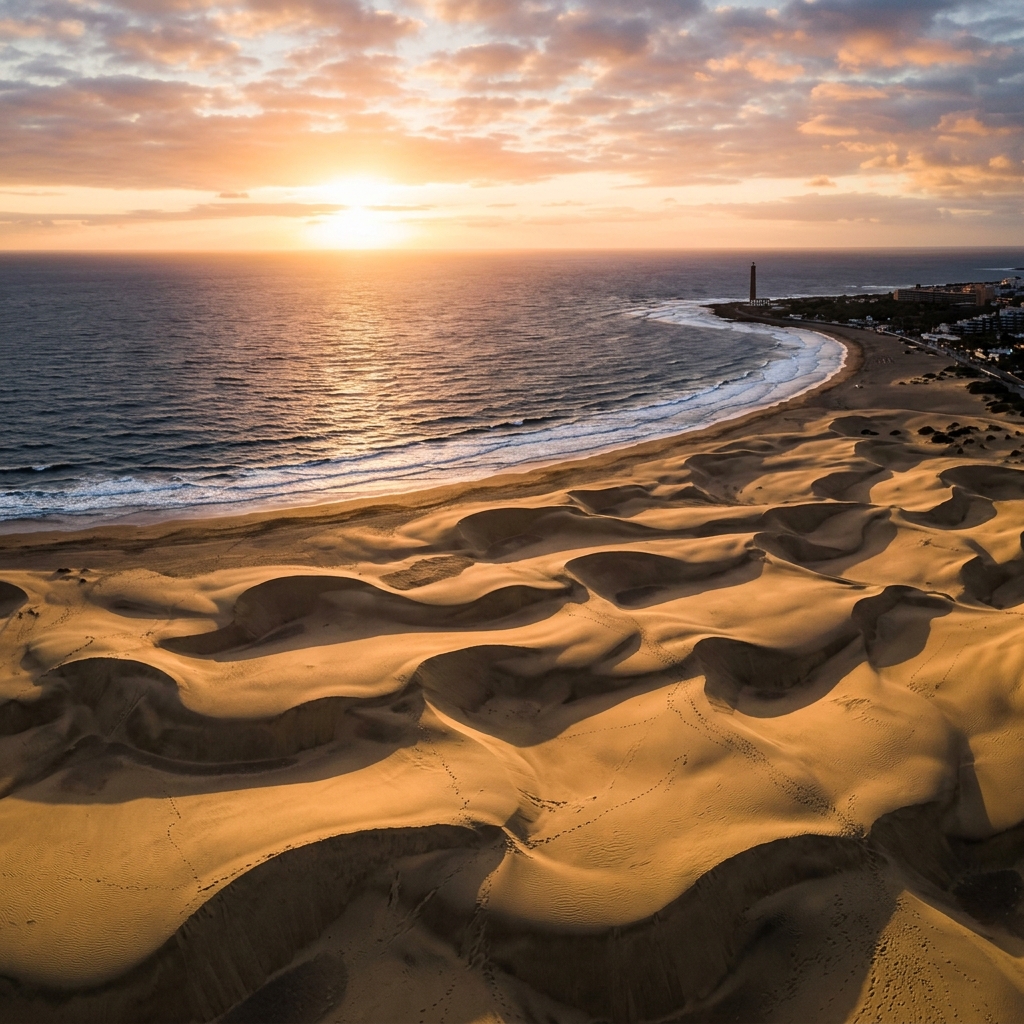
Looking to the Future
Assess new sand deposits, strengthen the flood defences and draw up a tailored management manual.
What can you do?
Don’t jump
DOING THE “CROQUETA” DESTROYS THE DUNES
Hiking along the trails
STICK TO THE MARKED PATHS. STEPPING OFF THE PATHS EROSES THE DUNE LANDSCAPE
Do not touch the plants
DO NOT UPROOT THE PLANTS

"HELP ME PROTECT OUR DUNES! YOUR COMMITMENT IS MY BEST ALLY."