
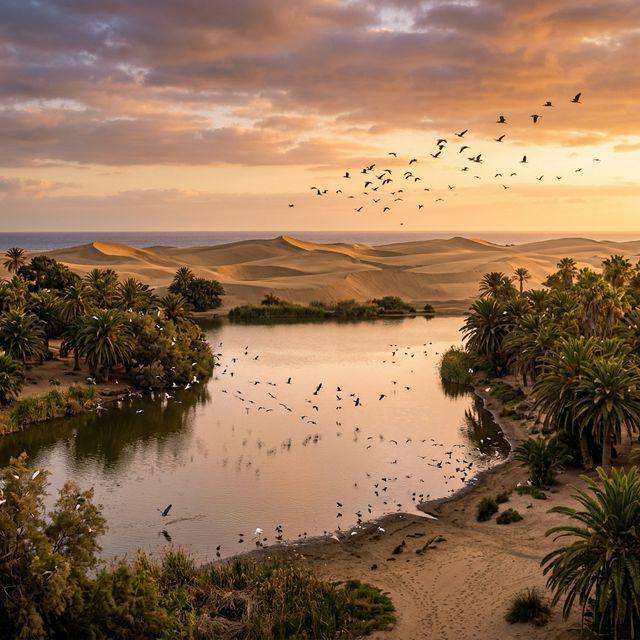
Survivors of the Sand and Salt
Discover the plant species that have taken root in the dunes and wetlands, adapting to extreme conditions of salinity and wind.
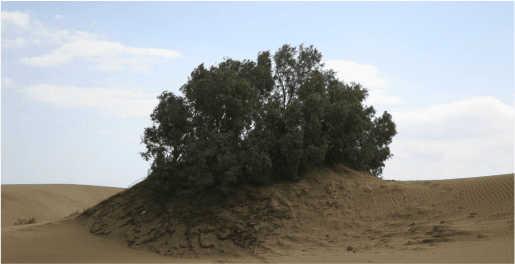
tarajal canario
 Tamarix canariensis
Found in virtually every part of the Reserve, it is one of the few tree species found there. It requires groundwater to thrive, so the tamarisk thickets that crown the large dunes—so characteristic of Maspalomas—actually have their roots many metres below the sand, drawing their nourishment from the groundwater.
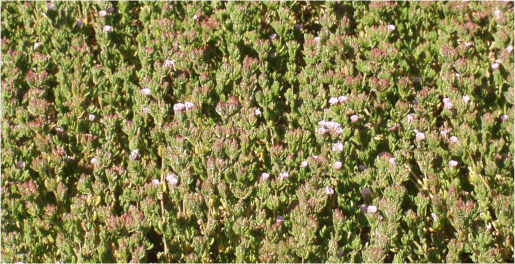
tomillo marino
 Frankenia boissieri
A small halophilic shrub, found mainly in damp interdune depressions.
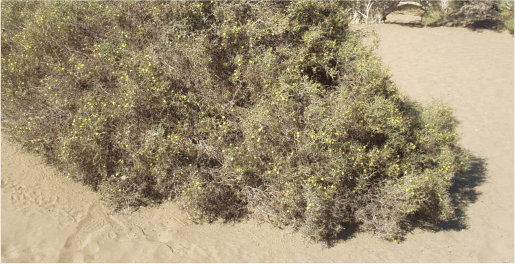
aulaga
 Launaea arborecens
A thorny shrub that is highly resistant to drought.
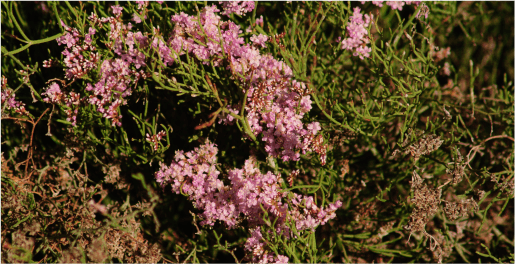
siempreviva espinocha
 Limonium tuberculatum
A species that has been reintroduced in Maspalomas in recent years, having previously disappeared due to tourism development beneath the sand, where it fed on groundwater.
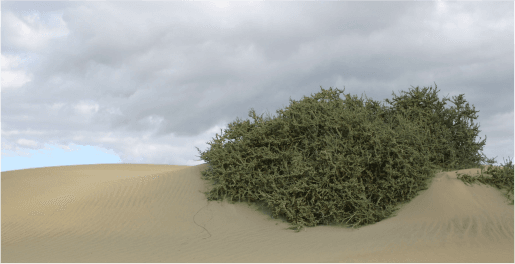
balancón
 Traganum moquinii
A shrub that can grow up to 4.5 metres tall. It plays a key role in the formation of early dunes. Its range is limited to north-western Africa, Cape Verde and the Canary Islands.
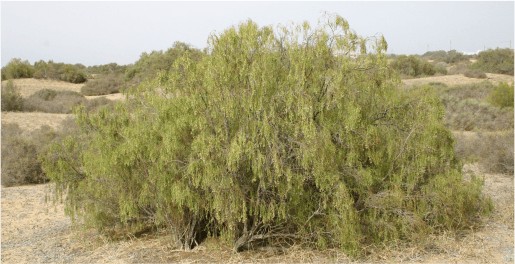
balo
 Plocama pendula
A shrub typically found at the bottom of ravines, with small clusters found in the interior of Maspalomas.

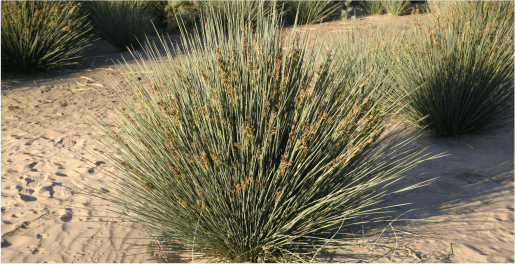
junco común
 Juncus acutus
A plant that requires a great deal of water (a hygrophilous plant), which is why it is found only in the damp interdune depressions and along the edges of the Maspalomas Pond.


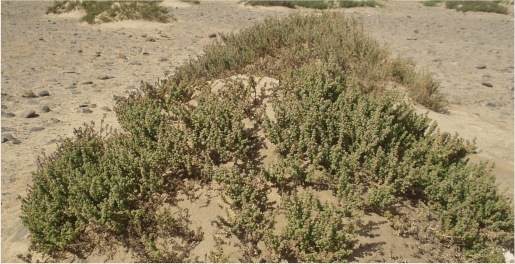
matamoros
 Suaeda vermiculata
A shrub that is resistant to high concentrations of salt in the soil (a halophyte). Its high resistance to the harsh environmental conditions of saline depressions makes it one of the few species capable of living in that sub-environment.
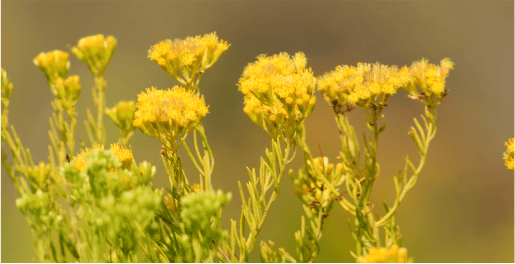
salado verde
 Schizogyne glaberrima
A species endemic to Gran Canaria that typically grows in the depressions between the dunes, beneath the sand, drawing its nourishment from groundwater
tarajal canario
Tamarix canariensisFound in virtually every part of the Reserve, it is one of the few tree species found there. It requires groundwater to thrive, so the tamarisk thickets that crown the large dunes—so characteristic of Maspalomas—actually have their roots many metres below the sand, drawing their nourishment from the groundwater.

tomillo marino
Frankenia boissieriA small halophilic shrub, found mainly in damp interdune depressions.
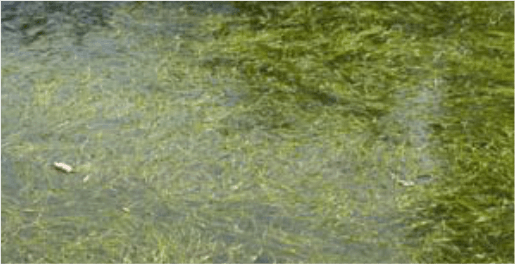
algomarina
 Ruppia maritima
A plant typically found in brackish lagoons.
aulaga
Launaea arborecensA thorny shrub that is highly resistant to drought.
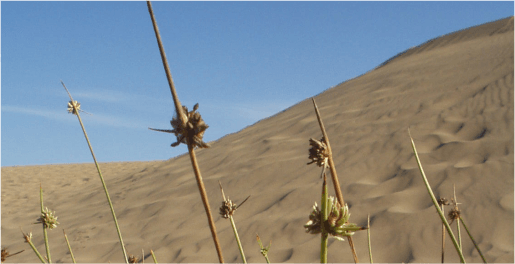
juncia
 Cyperus laevigatus
A herbaceous plant that grows in the damp interdune depressions between shifting sand dunes.
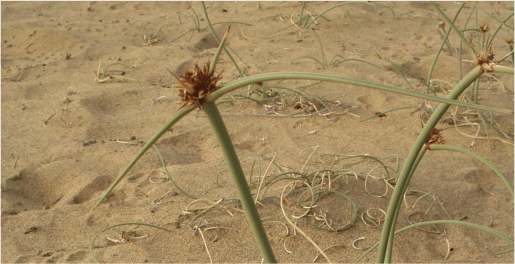
juncia marina
 Cyperus capitatus
A plant that grows mainly on sand (a psammophilous plant). It spreads via rhizomes (underground stems) from which numerous plants grow, enabling it to stabilise the sand.
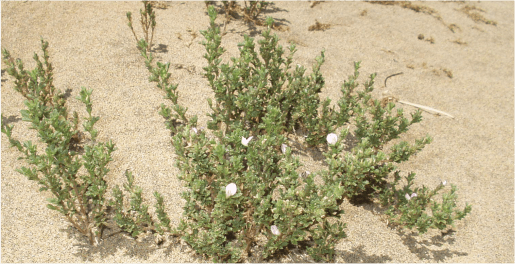
melosa de las arenas
 Ononis tournefortii
A psammophilous herbaceous plant with an annual life cycle. It forms extensive grasslands alongside marram grass beneath the sand, drawing its nourishment from groundwater.
siempreviva espinocha
Limonium tuberculatumA species that has been reintroduced in Maspalomas in recent years, having previously disappeared due to tourism development beneath the sand, where it fed on groundwater.
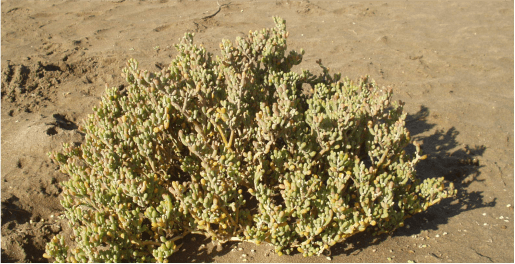
uva de mar
 Tetraena fontanesii
A halophilic shrub that grows in damp interdune depressions.
balancón
Traganum moquiniiA shrub that can grow up to 4.5 metres tall. It plays a key role in the formation of early dunes. Its range is limited to north-western Africa, Cape Verde and the Canary Islands.

Biodiversity Catalog
Explore the natural wealth of the Canary Islands in the Canary Islands Biodiversity Data Bank (BIOTA).