Maspalomas Ravine and Lagoon
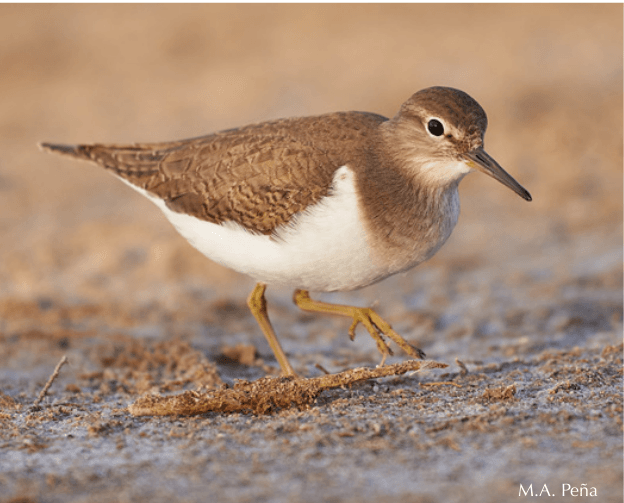
andarríos chico
Actitis hypoleucos


A haven of biodiversity nestled between dunes and wetlands. Discover the species that call this unique ecosystem home.
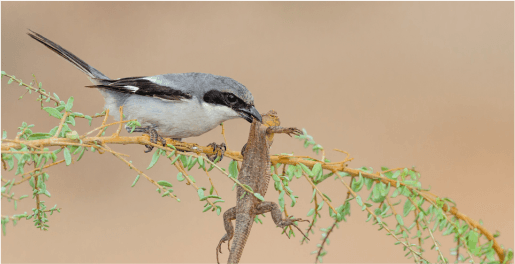
 Lanius excubitor
A small predator of invertebrates, reptiles and birds, it plays a fundamental role in controlling the rest of the species.
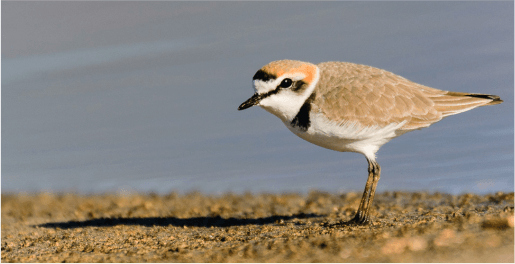
 Charadrius alexandrinus
A widely distributed bird typically found on beaches, coastal sandbanks, salt marshes and lagoons; however, very few breeding pairs are found on Gran Canaria, making Maspalomas a vital refuge for the species on this island. It feeds on worms, insects and molluscs. It nests on the sand, creating a small depression which it lines with shells.
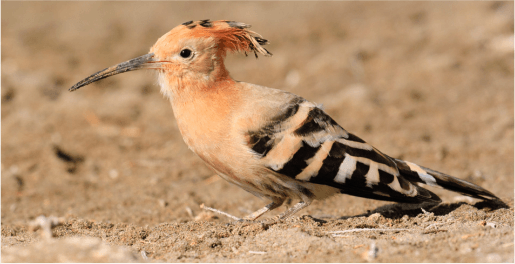
 Upupa epops
A migratory species that builds its nest in tree hollows or walls. It is easily recognisable by its striking crest, erratic, undulating flight, and its characteristic, typically three-syllable call of “up-up-up”, from which its scientific name is derived.
Actitis hypoleucos
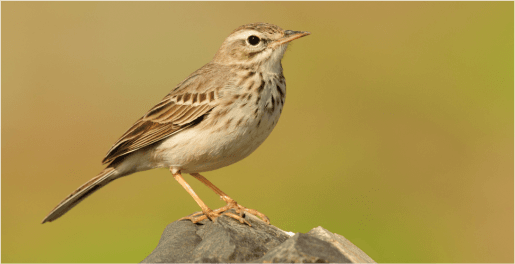
Anthus berthelotii
A species endemic to Macaronesia, typically found in arid environments. An insectivore, its common name derives from its habit of walking on the ground, to the extent that it even nests there.
Lanius excubitor
A small predator of invertebrates, reptiles and birds, it plays a fundamental role in controlling the rest of the species.
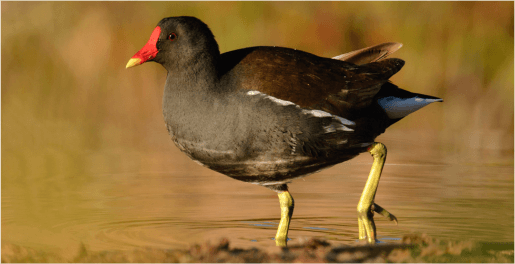
Gallinula chloropus
A common species found throughout Europe and Asia. It is an omnivorous bird that nests on the ground in areas with dense vegetation.
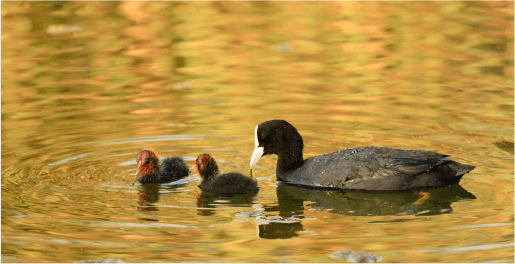
Fulica atra
A marsh bird that is a strong swimmer but a clumsy flyer. It is omnivorous and can become aggressive and territorial during the breeding and nesting seasons. It builds its nests using plant stems lined with dry reed leaves.
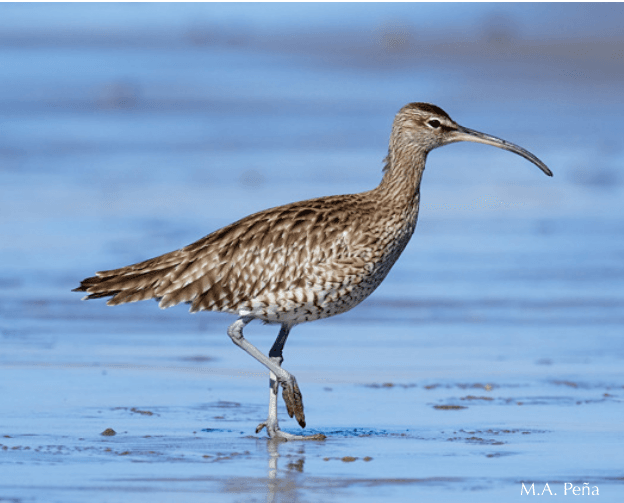
Numenius phaeopus
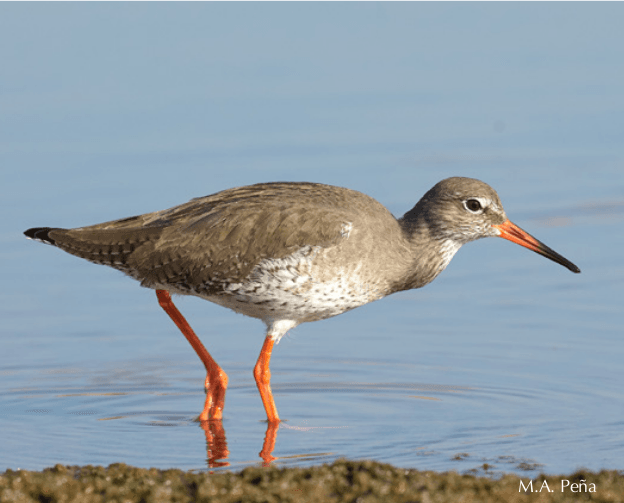
Tringa totanus
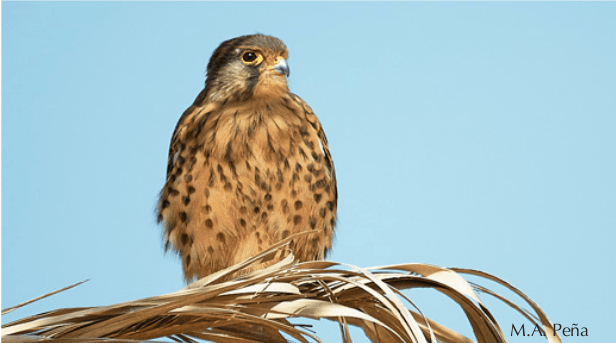
Falco tinnunculus canariensis
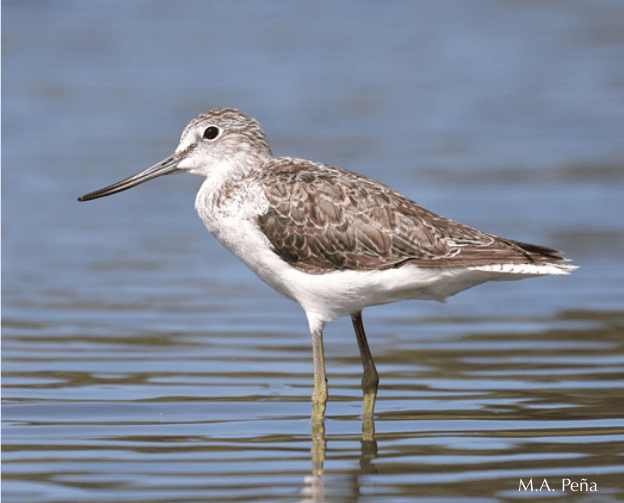
Tringa nebularia
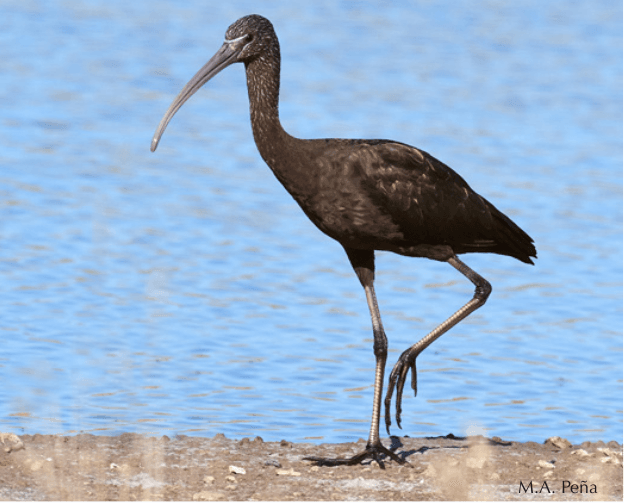
Plegadis falcinellus
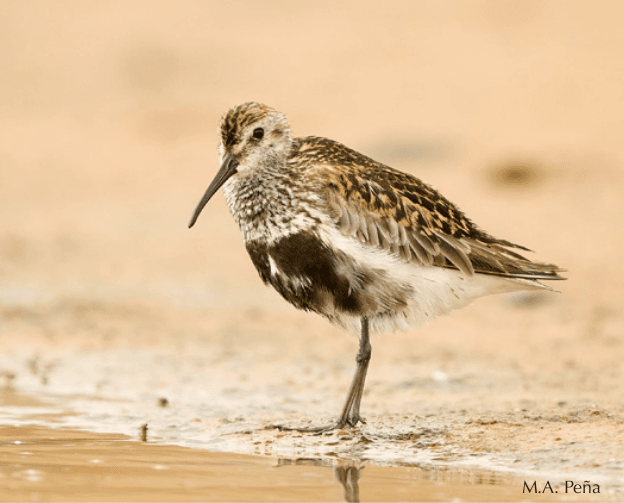
Calidris alpina
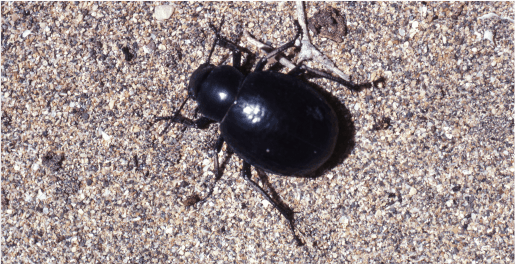
Pimelia granulicollis
An endangered beetle endemic to Gran Canaria that can be found in the coastal dunes.
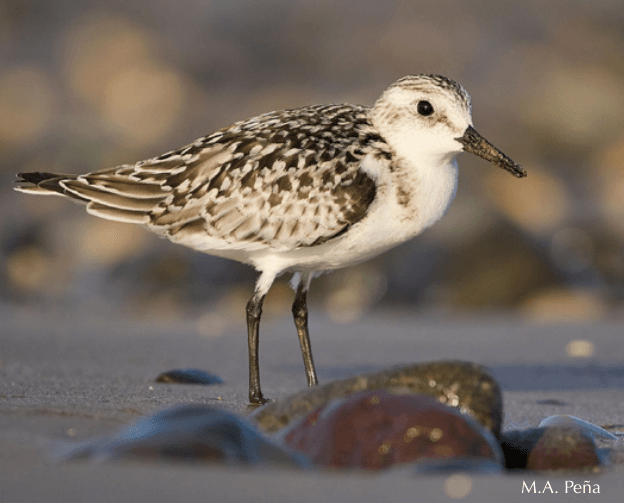
Calidris alba
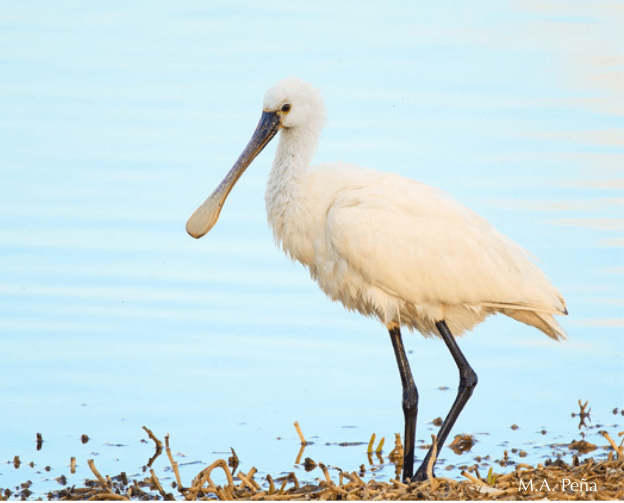
Platalea leucorodia
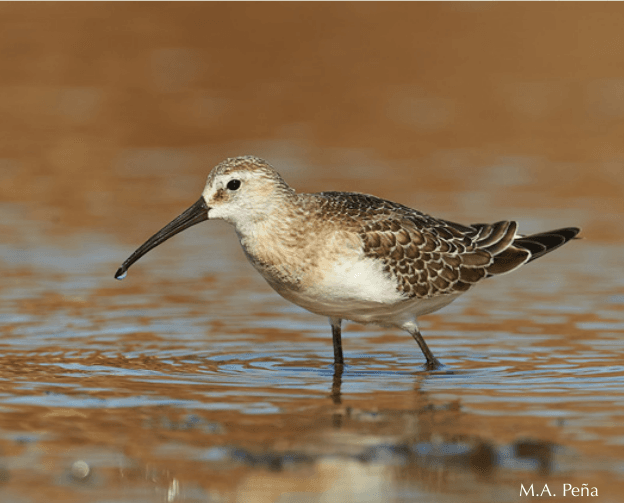
Calidris ferruginea
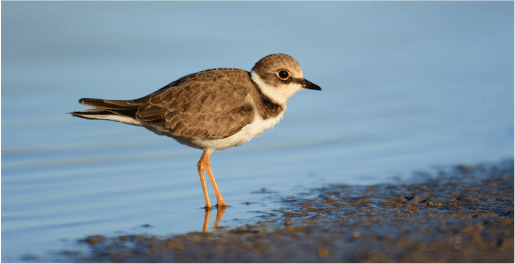
Charadrius dubius
A small, short-billed wading bird that feeds on insects and inhabits areas near standing water. It builds its nest on the ground in places with sparse vegetation.
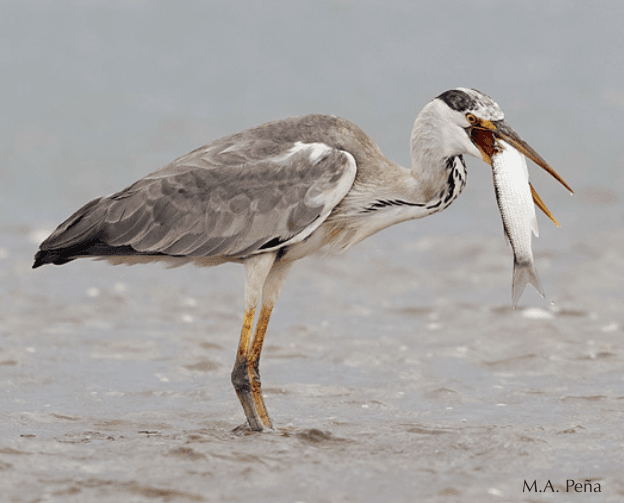
Ardea cinerea
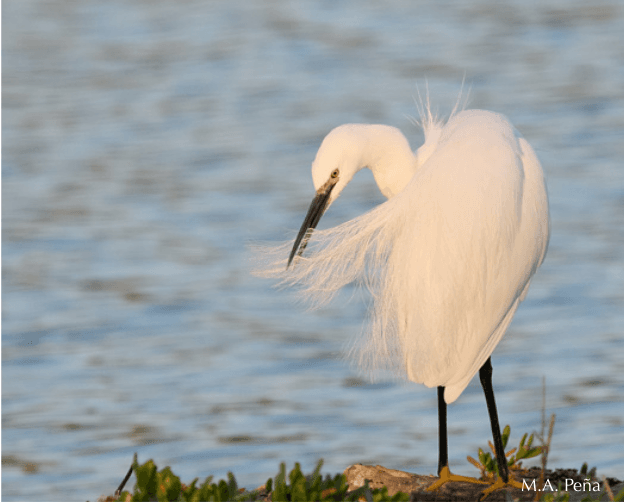
Garceta común
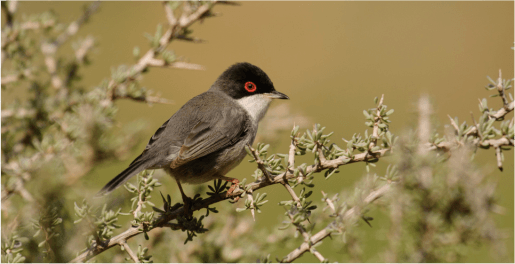
Sylvia melanocephala
Espèce d'oiseau très répandue, mesurant environ 15 cm de long. Elle se déplace et niche parmi les buissons et les broussailles, à faible altitude.
Charadrius alexandrinus
A widely distributed bird typically found on beaches, coastal sandbanks, salt marshes and lagoons; however, very few breeding pairs are found on Gran Canaria, making Maspalomas a vital refuge for the species on this island. It feeds on worms, insects and molluscs. It nests on the sand, creating a small depression which it lines with shells.
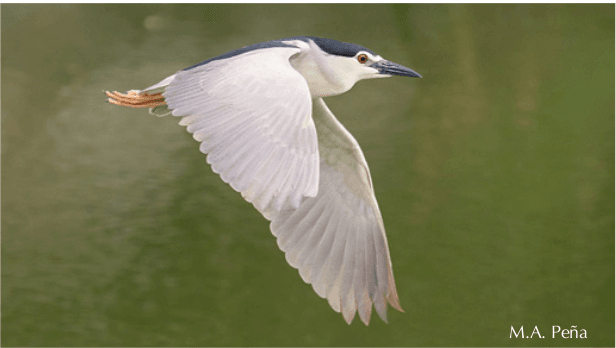
Nycticorax nycticorax
Its scientific name means ‘night crow’ and refers to its crepuscular and nocturnal habits, during which it makes a sound similar to that of a crow. This heron is a skilled hunter, catching fish with its dagger-shaped beak. It favours wetlands with vegetation like this one. It has been breeding at the Charca for several years now.
Upupa epops
A migratory species that builds its nest in tree hollows or walls. It is easily recognisable by its striking crest, erratic, undulating flight, and its characteristic, typically three-syllable call of “up-up-up”, from which its scientific name is derived.
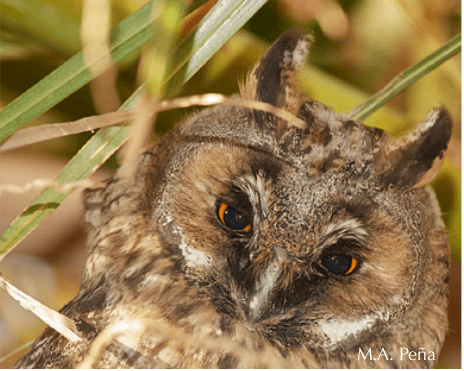
Asio otus canariensis
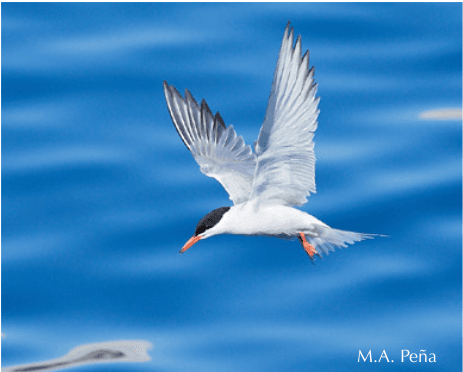
Sterna hirundo
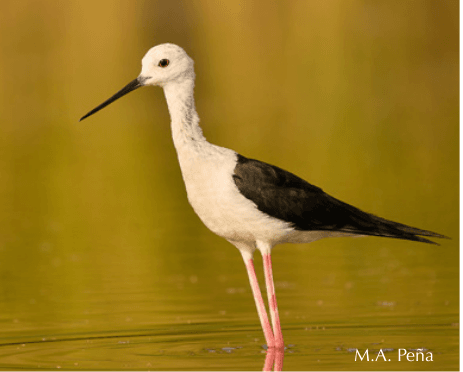
Himantopus himantopus
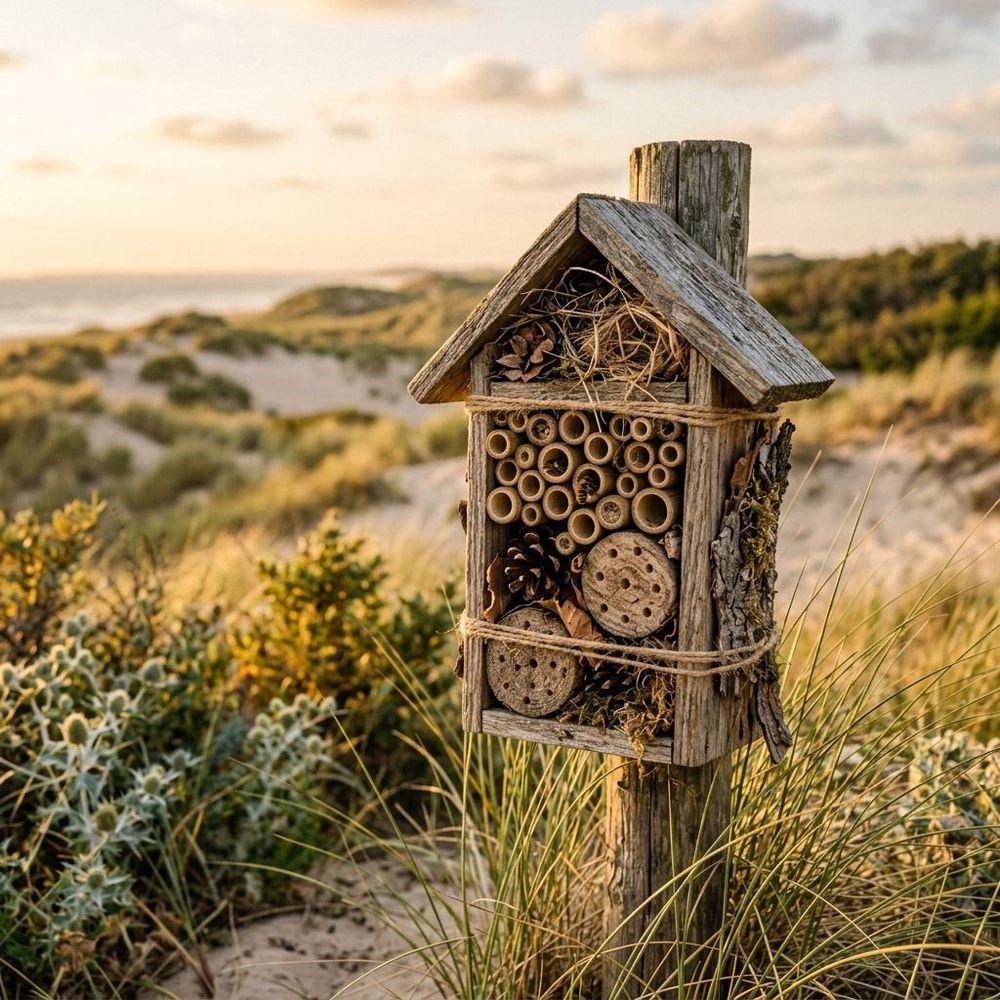
A vital refuge for our tiny pollinators. Discover how we protect the silent biodiversity of the dunes and the importance of their work in our ecosystem.

Explore the natural wealth of the Canary Islands in the Canary Islands Biodiversity Data Bank (BIOTA).